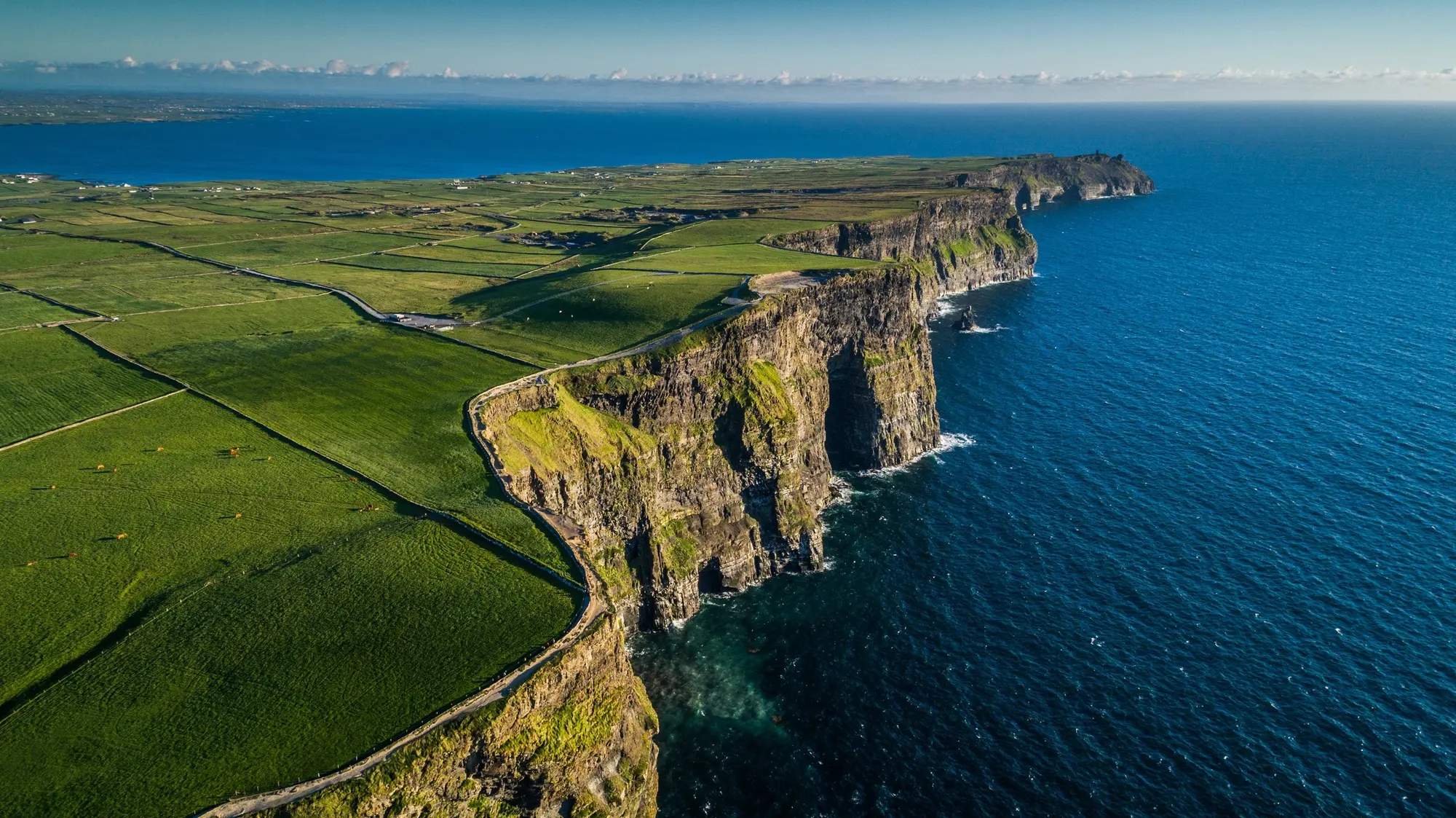
Ireland in 7 Days
A realistic seven-day Ireland itinerary looping from Dublin through Cork, Kerry and Clare, with honest driving times and the one region worth cutting.
- Days
- 7
- Distance
- 1150 km
- Getting around
- Car
- Best months
- May to September
- Route
- Dublin → Dublin
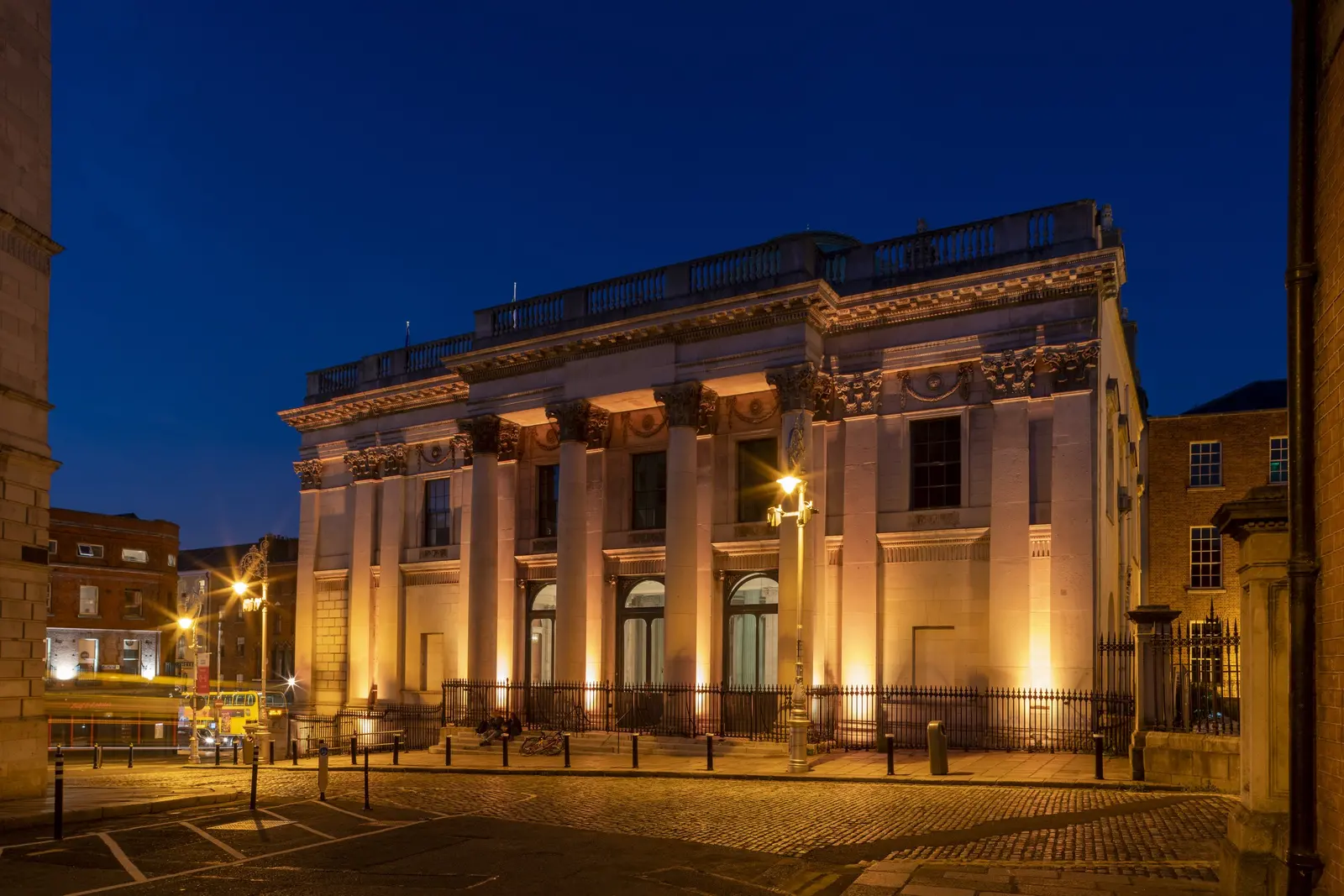
One day in Dublin, and one is the right number
You will land tired and you will lose most of the day to it. Accept that and plan a walking day rather than a driving one. Do not collect the hire car until tomorrow morning. Dublin parking runs €25 to €35 a day, the city centre is a maze of bus lanes and one-way streets, and you will not use the car once.
The half mile between Trinity College and Dublin Castle holds most of what a first visit needs. Book the Book of Kells for a slot before ten and you get the Long Room close to empty. Then Dame Street, the castle, and the Chester Beatty Library behind it, which is free, half an hour, and consistently the thing people say they did not expect.
If you only have one drinking hour in you, skip Temple Bar. It is a photograph rather than a night out, and a pint there costs nearly double. Walk ten minutes to Kehoe's, the Long Hall or Grogan's instead.
Three days here rather than one is a completely reasonable choice, and if that is the trip you want, Three Days in Dublin, Without a Car is the version that uses the DART instead of a hire car.
On this stretch Dublin
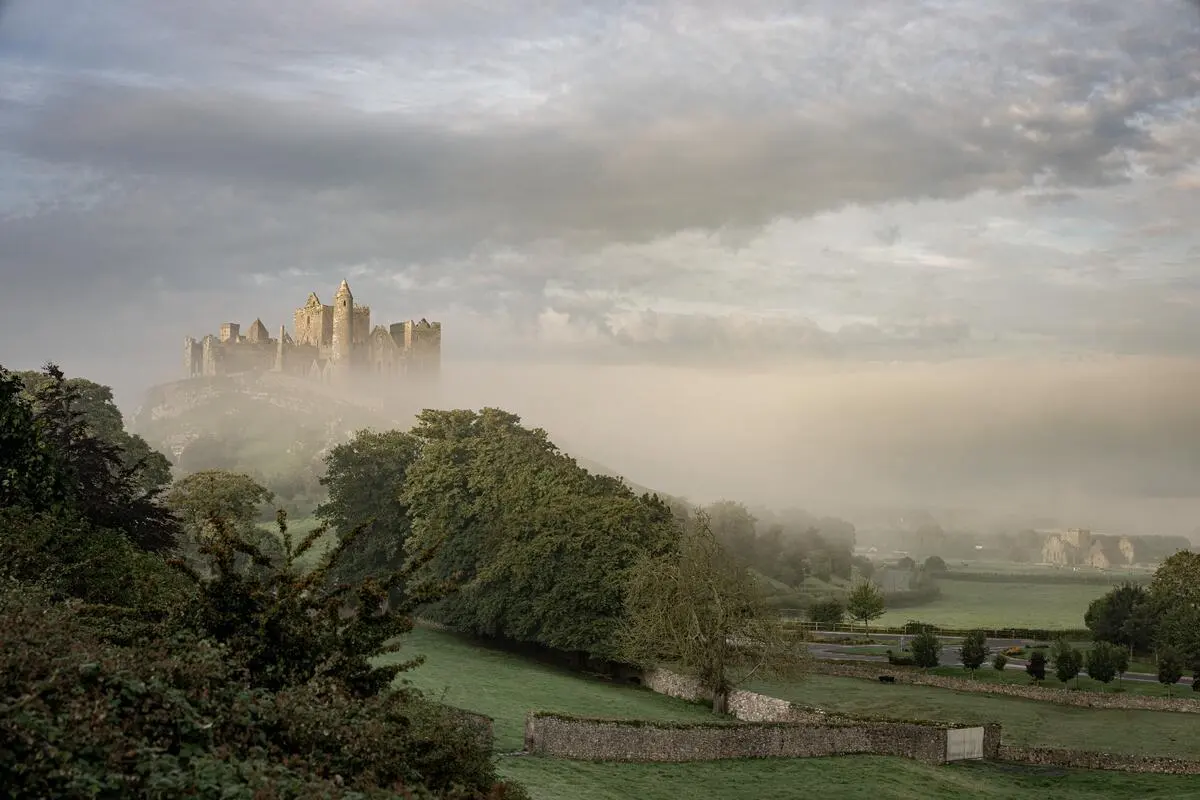
The rock in the mist, then south to a harbour town
Collect the car and get out of Dublin before eight. The M7 and M8 will have you at the Rock of Cashel in two hours flat, and this is the one day of the week where motorway driving is the right answer rather than a failure of imagination.
Cashel is a walled medieval complex on a limestone outcrop that rises out of flat Tipperary farmland with no warning at all. Cormac's Chapel, the Romanesque church inside the walls, is the best building on the site and is only accessible on a guided tour with a limited daily count. Ask at the desk the moment you arrive rather than after you have wandered.
Walk the ten minutes down to Hore Abbey in the field below. It is free, unstaffed, usually empty, and it gives you the photograph of the Rock that everyone else is trying to take from the car park.
Then Cork, and straight through it. Kinsale, twenty-five minutes further south, is where you want to sleep: a working harbour town with the best concentration of food in the country outside Dublin. Total driving today is about three and a half hours.
Cashel is also day four of Ireland's Ancient East in Five Days, which covers the Boyne Valley, Glendalough and Kilkenny properly if the monastic sites are the part of Ireland you actually came for.
On this stretch Rock of Cashel · Kinsale
The last place a million people saw
This is the light day, and you have earned it after yesterday. It is also the day the trip stops being a list of castles.
Drive forty minutes east to Cobh, the deepwater port that was the last call of the Titanic and the point of departure for around 2.5 million emigrants between 1848 and 1950. The Heritage Centre in the old White Star ticket office is genuinely good on the emigration story rather than the shipwreck, and if any of your family left Ireland, this is the pier they left from. The town itself is a stack of painted terraces under a cathedral, and worth an hour on foot.
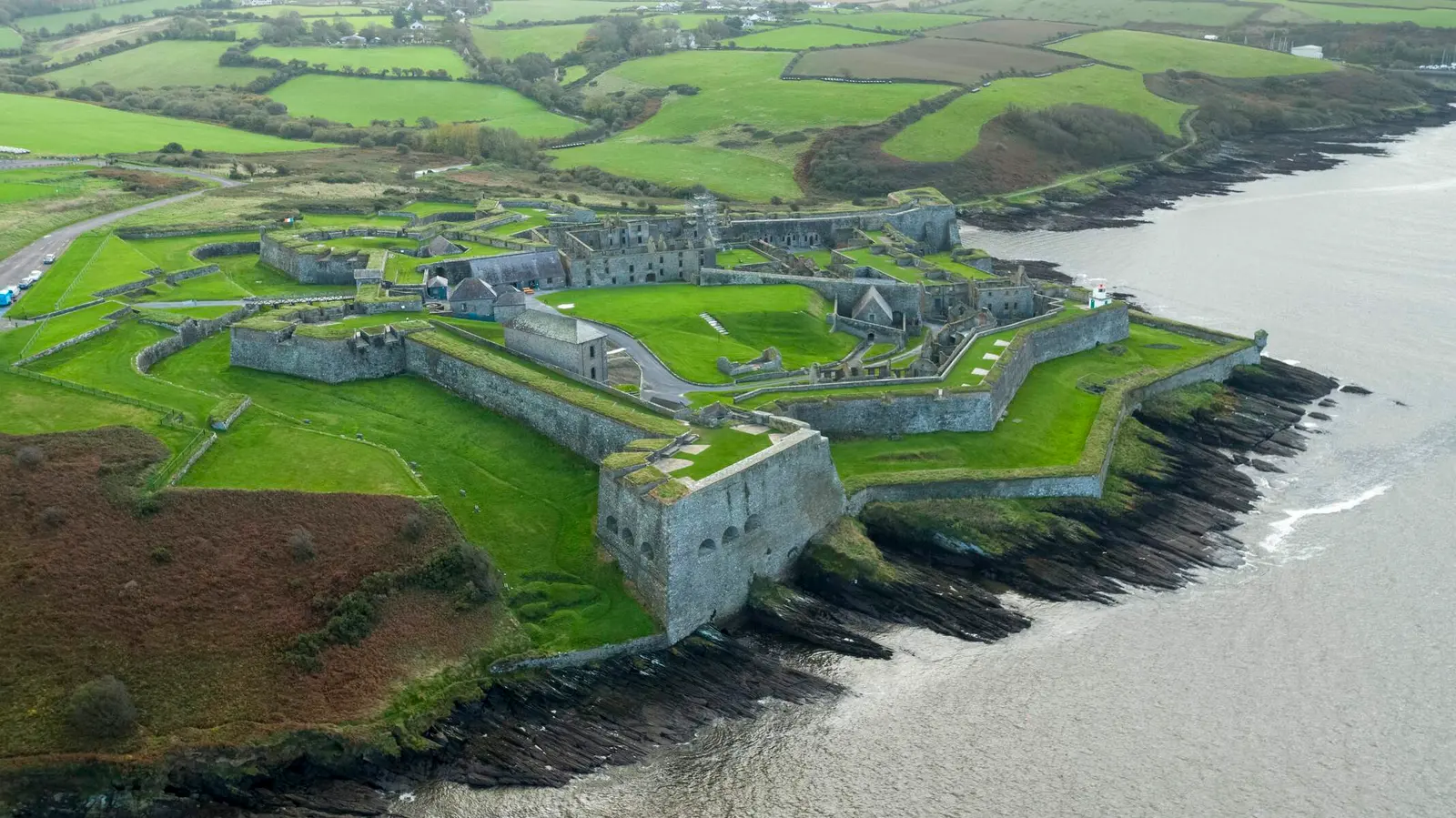
Back in Kinsale, walk the harbour path out to Charles Fort, a star-shaped artillery fort from the 1680s on the headland. It is about forty minutes each way along the water and the walk is the point as much as the fort.
Skip Blarney. It is fifty minutes each way to queue on a spiral staircase to lie on your back and kiss a wall that thousands of people kiss every week. The gardens are pleasant and the castle is not worth the round trip on a seven-day itinerary.
On this stretch Cobh · Charles Fort
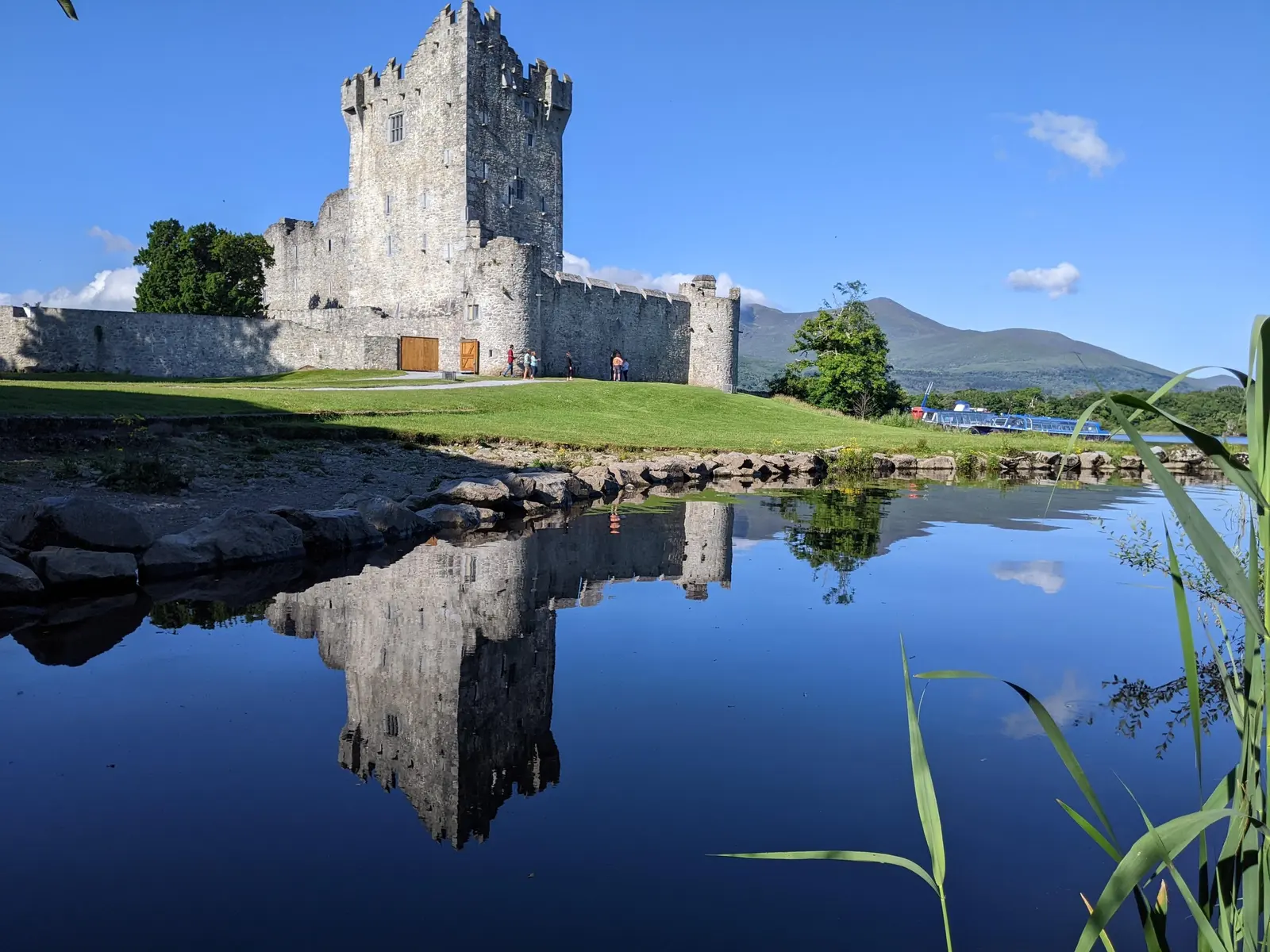
Into Kerry, past the lakes
The N22 west through Macroom takes about two hours to Killarney and the landscape changes underneath you: hedged farmland turns into bare sandstone mountain somewhere around the county line.
Give Killarney National Park the middle of the day rather than the town. Muckross House and the gardens, Torc Waterfall, and the walk or cycle out to Ross Castle on the shore of Lough Leane. Bike hire in Killarney runs about €20 for the day and the park roads are closed to cars, which makes it the one place on this trip where two wheels beat four.
Then keep going. Killarney town is a coach terminus with a main street of souvenir shops, and staying there is the single most common mistake on a Kerry itinerary. Dingle is ninety minutes further west, a real fishing port with better food, better music and a fraction of the tour buses.
Take the coast road through Inch rather than the direct N22. The beach at Inch Strand is five kilometres of hard sand you can drive onto, and it costs you fifteen minutes.
On this stretch Killarney National Park · Dingle
The day you skip the Ring of Kerry
Here is the contrarian call this itinerary is built on. In seven days, do Dingle and skip the Ring of Kerry. The Ring is a full day, 179 km, returns you to where you started, and spends most of that day behind a coach on a road with no overtaking. Dingle covers the same landscape at half the scale, and the Slea Head Drive is 47 km rather than 179.
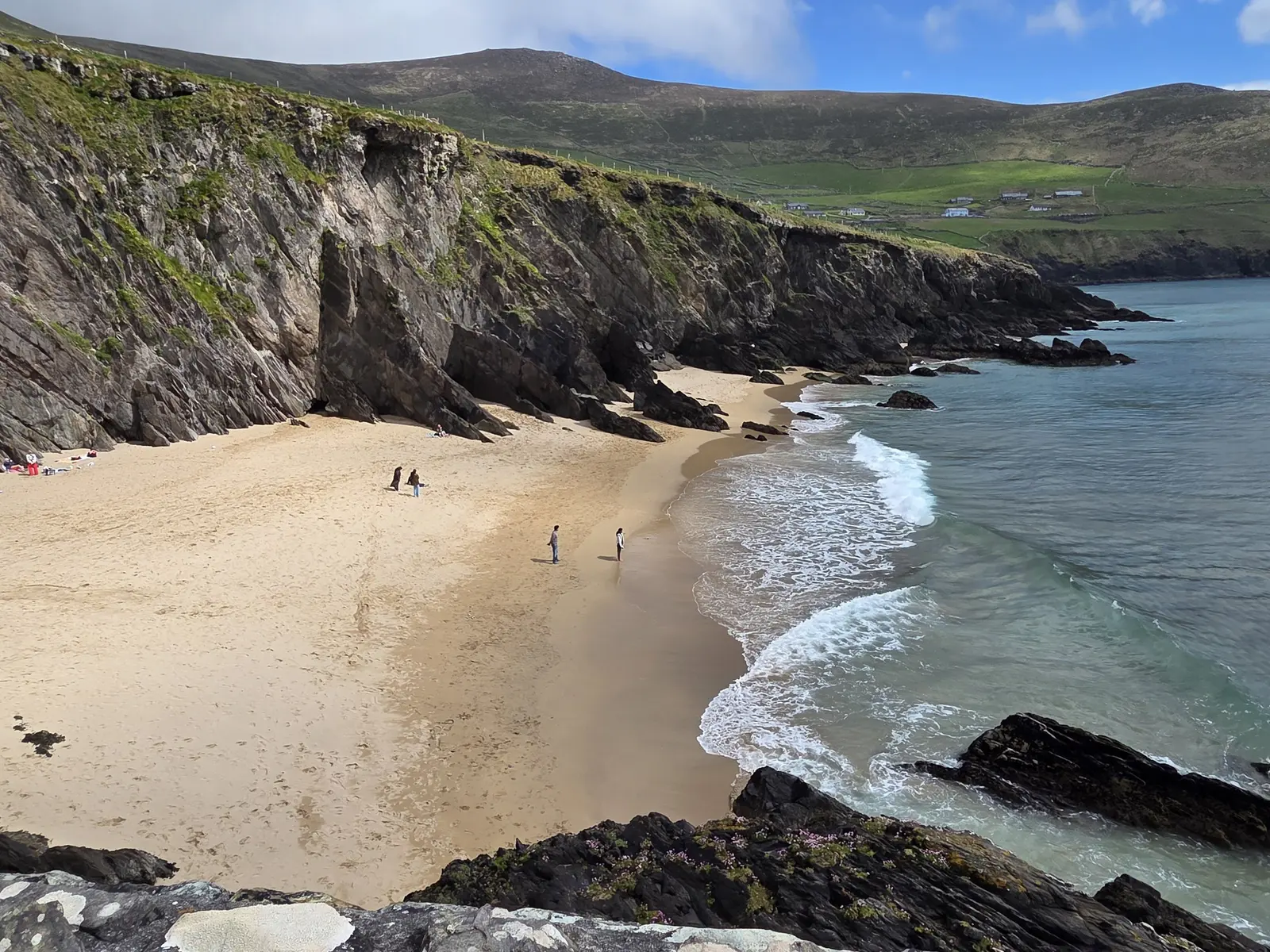
Drive Slea Head clockwise. The coaches run anticlockwise by agreement, and going the same way as them means a day of reversing into gateways. Stop at the beehive huts, at Coumeenoole, the beach in the photograph, and at the Gallarus Oratory, a dry stone chapel that has kept the rain out for twelve hundred years without mortar.
This is one of the strongest Gaeltacht areas left. Past Ventry the road signs stop being bilingual and the radio changes language.
Come back over the Conor Pass in the late afternoon rather than the coast road. It is the highest road in Ireland, single track with a rock wall on one side and a long drop on the other, and the view back down over the peninsula at the top is the best free thing in Kerry. If that reads as more than you want to drive, the R559 gets you home without it.
If the Ring of Kerry and the Skelligs are non-negotiable for you, that is a different trip: The Wild Atlantic Way in Seven Days gives the whole week to the west coast instead of looping back to Dublin.
On this stretch Slea Head · Conor Pass
The ferry north, the cliffs, and a city that stays up
Leave Dingle early. The Tarbert to Killimer ferry across the Shannon saves roughly two hours of driving inland through Limerick, costs about €22 for a car, sails hourly and cannot be booked. Turn up and join the queue. It is the easiest good decision of the week.
The Cliffs of Moher are ninety minutes north of the ferry. Go after four in the afternoon if the light allows: the coach tours run to a morning schedule, entry is cheaper, and the walk south towards Hag's Head clears of people within ten minutes of leaving the visitor centre. Arrive at eleven and you are queuing for a viewing platform.
If you can spare the two hours, take the boat from Doolin instead of standing on top. From the water you look up at 214 metres of black shale and see the sea stack and the caves that are invisible from the fenced path, for roughly what the car park and a coffee cost.
Come up through the Burren on the R477 coast road out of Doolin, a grey limestone moonscape with Poulnabrone dolmen sitting beside the road, 5,800 years old and free to walk up to.
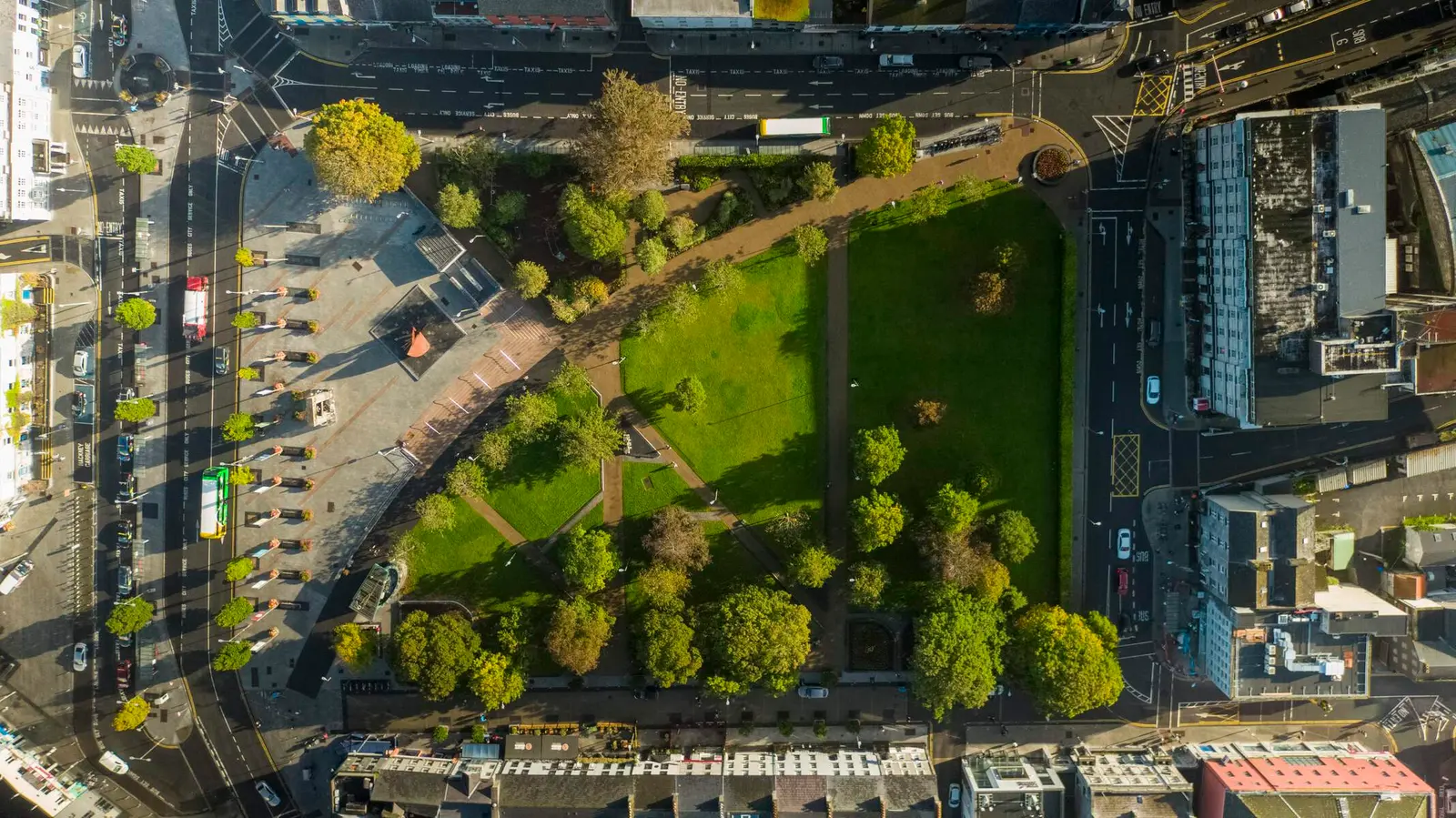
Galway is ninety minutes on. It is the last night of the trip and the right town for it: small enough to walk, and the Latin Quarter has more live music on a wet Tuesday than most cities manage at a weekend.
On this stretch Cliffs of Moher · Galway City
The slow road back, and one stop worth making
The M6 will return you to Dublin in two and a quarter hours, and if you have an afternoon flight that is exactly what you should do. If you have the day, break it once.
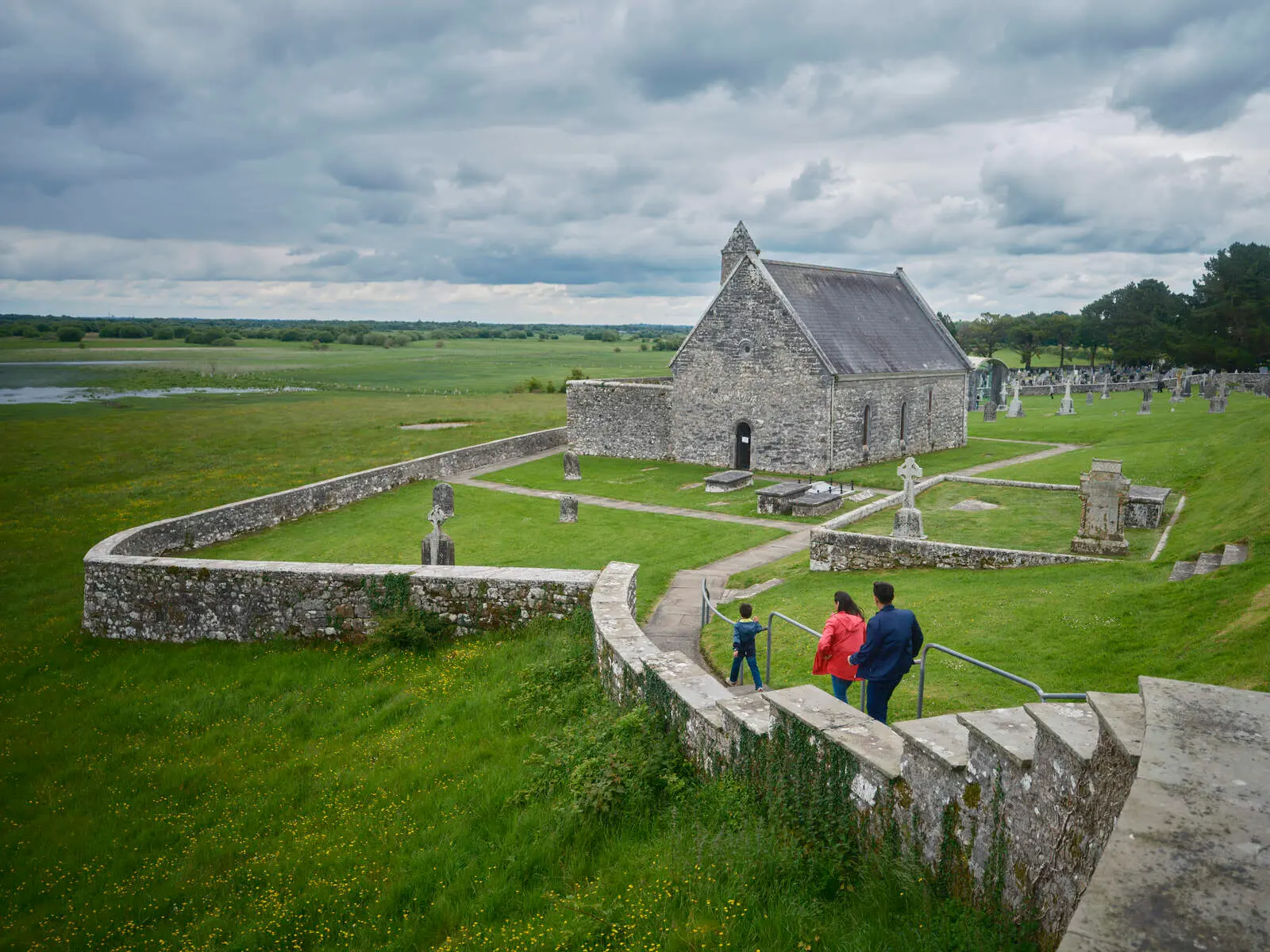
Clonmacnoise is twenty minutes off the motorway at Ballinasloe and it is the best-preserved monastic city in Ireland: two round towers, three high crosses, and eight church ruins on a bend of the Shannon where the river meets the old east-west road across the bogs. Founded in 544, raided by Vikings, Normans and the English in turn, and still standing. Go in the morning before the coaches from Athlone. Ninety minutes covers it, and the original high crosses are indoors in the visitor centre with replicas outside, which is worth knowing before you photograph the wrong ones.
From there it is Athlone, Tullamore and the M6. Fill the tank before you reach the airport; fuel within five kilometres of Dublin Airport runs noticeably higher than anywhere in the midlands.
One last piece of arithmetic. You have driven about 1,150 km in seven days. That is a real week of driving, and the reason this itinerary cuts the Ring of Kerry, Connemara and the north entirely rather than pretending they fit.
On this stretch Clonmacnoise · Dublin
Questions people actually ask
Is 7 days enough to see Ireland?
It is enough for one good loop, not for the island. Seven days covers Dublin, the Cork harbour towns, Kerry and Clare comfortably at the pace above. It does not cover Connemara, Donegal, the Causeway Coast or the Ring of Kerry as well, and any itinerary that claims otherwise is quietly assuming you will spend the week in the car.
How much driving is a 7-day Ireland itinerary?
About 1,150 km, or between ninety minutes and four hours a day. The numbers mislead, though: outside the motorways these are single carriageway roads with tractors, coaches and a reason to stop every few kilometres. Budget roughly double what the satnav tells you.
Should I do the Ring of Kerry or the Dingle Peninsula?
In seven days, Dingle. The Slea Head Drive is 47 km against the Ring's 179, it covers the same coastal landscape, and it leaves you a day for Clare instead of returning you to Killarney. Do the Ring instead if you have ten days or more.
Do I need to hire a car for this itinerary?
Yes, from day two onwards. Buses connect the towns but not Slea Head, the Burren or the Cork harbour villages. Do not collect the car on day one: Dublin city parking runs €25 to €35 a day and you will not use it.
What is the best time of year to drive around Ireland?
May, June and September. July and August give the best odds on weather and the worst traffic on single-track roads, and Dingle, Doolin and Kinsale book out months ahead. Off-season the light is short and the Slea Head and Conor Pass roads are far less pleasant in wind.
Which airport should I fly into?
Dublin, for this loop, because it starts and ends there. If you can fly into Shannon and out of Dublin, drive it in reverse: Shannon puts you ninety minutes from the Cliffs of Moher rather than three hours, and you gain most of a day.
Last checked